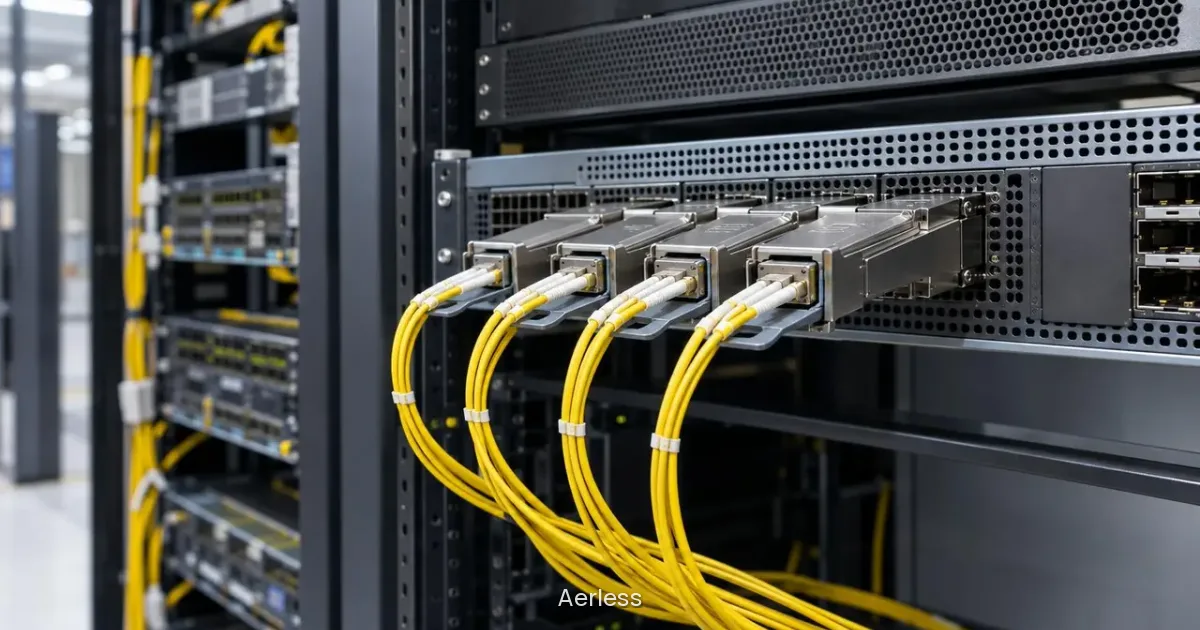
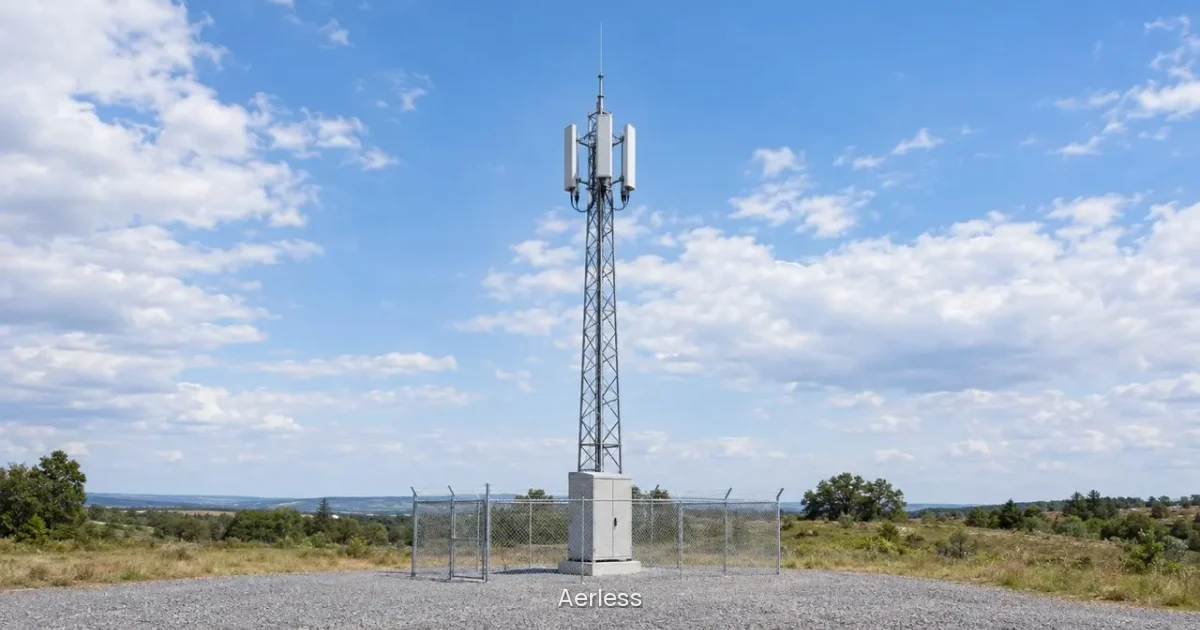
Industrial vs Commercial Temperature SFPs: A Buying Guide

A switch in a climate controlled equipment room and a switch inside an outdoor cabinet may use the same port type. That does not mean they should use the same temperature grade of optic. Before ordering an SFP, SFP+ or SFP28 module, check the conditions at the module, the host equipment requirements and the exact part specification.
This guide helps IT and telecom buyers choose a temperature grade, identify the right Aerless part and prepare a quote request that covers the whole link.
The short answer
Commercial temperature optics commonly cover 0°C to +70°C. Industrial temperature optics commonly cover −40°C to +85°C. Treat those as starting points, then verify the exact module. The industrial Aerless parts listed below specify case operating temperature, which is different from outdoor air temperature or the temperature allowed during storage.
| Grade | Common operating range | When to consider it |
|---|---|---|
| Commercial | 0°C to +70°C | A controlled environment where the exact module and host remain within their specified limits. |
| Industrial | −40°C to +85°C | Sites with wider temperature exposure, provided the module, host and enclosure are suitable for the installation. |
The Aerless optics and fiber catalog identifies the ranges of our listed parts. For commercial temperature 10G or 25G requirements, ask us to confirm the exact part and availability rather than assuming an industrial listing has a commercial equivalent.
Start with the cabinet, not the weather forecast
The air outside a cabinet is not the temperature of an optical module operating inside it. Equipment generates heat, and the installation’s ventilation and cooling affect the conditions around the ports. Record the expected conditions inside the enclosure and check how the host manufacturer defines its operating limits.
For an existing installation, use available equipment telemetry and site measurements to understand normal and demanding conditions. For a new site, provide the enclosure and cooling design to the equipment supplier. Avoid assuming a fixed temperature difference between outdoor air, cabinet air and the module case.
Keep three temperature specifications separate
- Ambient temperature: the surrounding air under the conditions defined for the equipment.
- Module case operating temperature: the temperature range specified for the transceiver while it is operating.
- Storage temperature: the permitted range for storage under the manufacturer’s stated conditions. It is not an operating specification.
An industrial module does not raise the operating limit of a commercial switch. Confirm the complete installation: the host, power supply, optical modules, cabling and enclosure. Likewise, an industrial temperature rating alone does not establish water resistance, corrosion resistance or suitability for a particular shock or vibration requirement.
Four Aerless industrial options to compare
These published Aerless modules are specified for a case operating temperature of −40°C to +85°C. Choose between them by speed and fiber type, then check the full specifications for reach and your host equipment.
| Module | Model | Fiber |
|---|---|---|
| 10G SFP+ SR | SFP+-10G-SR-IT | Multimode |
| 10G SFP+ LR | SFP+-10G-LR-IT | Single mode |
| 25G SFP28 eSR | SFP28-25G-eSR-IT | Multimode |
| 25G SFP28 LR | SFP28-25G-LR-IT | Single mode |
For a detailed fiber selection comparison, see 25G SFP28 eSR vs LR. For port and module families, start with Understanding SFP Ports and Their Types.
Temperature does not settle compatibility
A suitable temperature range is only one requirement. The module must also match the supported port speed, optical interface, fiber and equipment configuration. Give us the switch or router model and software version so we can confirm the proposed module and coding requirements.
For a 25G deployment, include the host’s required FEC configuration. For telecom applications, identify the CPRI line rate or eCPRI application and the equipment at both ends. Do not assume that an industrial Ethernet optic automatically meets every fronthaul requirement.
What to include in your quote request
- Equipment: switch or router model, software version and the port or line card being used.
- Link: speed, protocol, fiber type, installed distance and the connector arrangement at both ends.
- Environment: required temperature range, whether it describes ambient or case temperature, and the enclosure and cooling arrangement.
- Qualification: any equipment approval, monitoring, environmental or application testing required before rollout.
- Procurement: quantities, spares, delivery location and the date you need the equipment.
If you are replacing an existing optic, include its full part number and the reason for the replacement. A temperature alarm, an unsupported module message and a low receive power alarm are different symptoms; the replacement should address the actual requirement.
Check the installation before a wider rollout
Agree on acceptance checks with your equipment team before committing to a larger order. Where supported, review module temperature and optical diagnostics through the host, confirm the link configuration, and record behavior under the intended operating conditions. Monitoring is useful evidence, but it does not replace the manufacturer’s operating limits or the qualification your project requires.
Frequently asked questions
Can I use an industrial optic in a controlled equipment room?
It may be suitable if the host supports the exact module and its optical interface. The wider temperature range does not by itself make the link faster or remove other compatibility requirements.
Does industrial temperature mean the module can be exposed outdoors?
No. Temperature grade is not an enclosure rating. Use equipment and protection appropriate to the site, including its moisture and contamination conditions.
Are all Aerless optics industrial temperature rated?
No. The catalog includes industrial and commercial temperature parts. Check the exact product listing, and request confirmation for configurations that are supplied by quotation.
Specify your next link with Aerless
Aerless is TechFoundry’s hardware business, supplying customers across the United States and Canada. Our optics and fiber range is sourced from Taiwan and manufactured there. Lead time is 4 to 6 weeks on all SFPs, including SFP+ and SFP28 modules. Delivery timing for other module families and cables is confirmed with your quote.
We offer volume based pricing. Contact us to get your price. Send your operating conditions and link requirements to Aerless so we can confirm the part, compatibility and delivery details for your order.
Plan the infrastructure
Working through a network requirement?
Send the application, environment, quantities and any known part numbers. The Aerless team will help translate them into a practical equipment quote.